Early childhood care and education plays a crucial role in shaping a child’s development during the most important years of life. From birth to age five, children experience rapid physical, emotional, social, and cognitive growth. The quality of care and education they receive during this time has a lasting impact on their confidence, wellbeing, and ability to learn.
Parents are increasingly aware that early childhood care and education is not just about supervision—it is about providing a nurturing, structured environment where children can thrive. High-quality early learning experiences help children build essential skills that support success in school and in life.
What Is Early Childhood Care and Education?
Early childhood care and education refers to programs and services designed to support young children’s development in a safe, nurturing, and educational environment. These programs are delivered through childcare centres, early learning centres, preschools, and family day care settings.
The focus of early childhood care and education is holistic development. This means supporting children’s cognitive, social, emotional, physical, and language development in a balanced way. Educators use age-appropriate learning experiences, play-based activities, and daily routines to help children grow at their own pace.
Why Early Childhood Care and Education Is So Important
The early years are a critical period for brain development. During this time, children form neural connections that influence how they think, feel, and interact with others. Quality early childhood care and education strengthens these connections through positive experiences and responsive relationships.
Children who participate in high-quality early learning programs often show:
Stronger language and communication skills
Improved social and emotional development
Greater confidence and independence
Better school readiness
A lifelong love of learning
The Role of Play-Based Learning
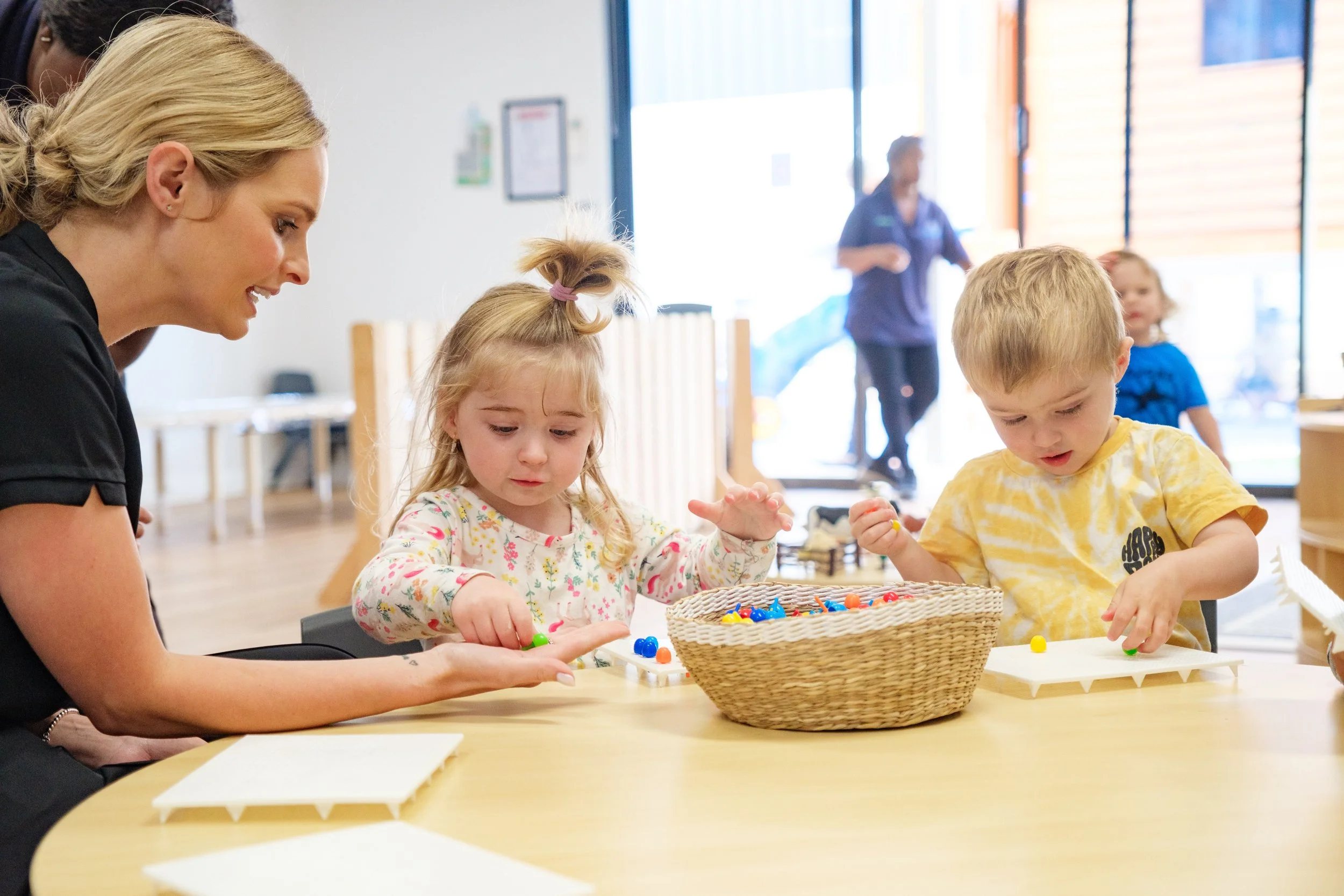
Play is at the heart of effective early childhood care and education. Through play, children explore the world around them, experiment with ideas, and develop problem-solving skills. Play-based learning allows children to learn naturally while enjoying their experiences.
Educators carefully design play activities that support learning goals. For example, storytelling builds language skills, building blocks support problem-solving and coordination, and group play encourages cooperation and empathy. This approach helps children learn in a meaningful and engaging way.
The Importance of Qualified Educators
Qualified early childhood educators play a vital role in children’s development. They understand how children grow and learn, and they use this knowledge to create supportive, enriching learning environments.
In early childhood care and education settings, educators observe children closely, plan learning experiences, and respond to individual needs. Treasure Tots helps children feel safe, valued, and confident. Strong educator-child relationships are essential for emotional security and positive learning outcomes.
Supporting Social and Emotional Development
Early childhood care and education helps children learn how to manage emotions, build relationships, and develop empathy. These social and emotional skills are essential for success in school and life.
In early learning environments, children learn to share, take turns, communicate feelings, and resolve conflicts. With the support of caring educators, children develop resilience, self-regulation, and a positive sense of self.
Creating Safe and Nurturing Environments
Safety and wellbeing are fundamental to early childhood care and education. High-quality programs provide clean, secure, and stimulating environments where children can explore confidently.
Nurturing environments help children feel comfortable and supported. When children feel safe, they are more likely to engage in learning, take risks, and develop independence. A sense of belonging plays a key role in children’s emotional and cognitive development.
Preparing Children for School and Life
One of the main goals of early childhood care and education is school readiness. However, school readiness is not just about academic skills. It includes social skills, emotional regulation, independence, and the ability to adapt to new environments.
Quality early learning programs help children develop routines, listening skills, communication abilities, and problem-solving strategies. These skills support a smooth transition into formal schooling and help children feel confident and capable.
The Role of Families in Early Childhood Care and Education
Families are essential partners in early childhood care and education. Strong communication between educators and families supports consistency and helps children feel secure.
When families are involved, children benefit from shared goals and support between home and the early learning environment. Educators work closely with families to understand each child’s needs, interests, and progress, creating a collaborative approach to development.
Frequently Asked Questions (FAQs)
What age does early childhood care and education begin?
Early childhood care and education typically begins from infancy and continues through the preschool years, depending on the program and setting.
How does early childhood care and education benefit my child?
It supports cognitive, social, emotional, and physical development while building confidence, independence, and school readiness.
Is play-based learning effective?
Yes. Play-based learning is widely recognised as one of the most effective ways for young children to learn and develop essential life skills.
How do I choose a quality early childhood care and education program?
Look for qualified educators, safe environments, strong communication with families, and a play-based learning approach.
What role do educators play in early learning?
Educators guide learning, support emotional wellbeing, and create nurturing environments that help children thrive.
Final Thoughts
Early childhood care and education provides children with the best possible start in life. By supporting learning, wellbeing, and emotional development during the early years, quality early learning programs build strong foundations for lifelong success.